
Solutions
Measurement for Every Kind of Asset
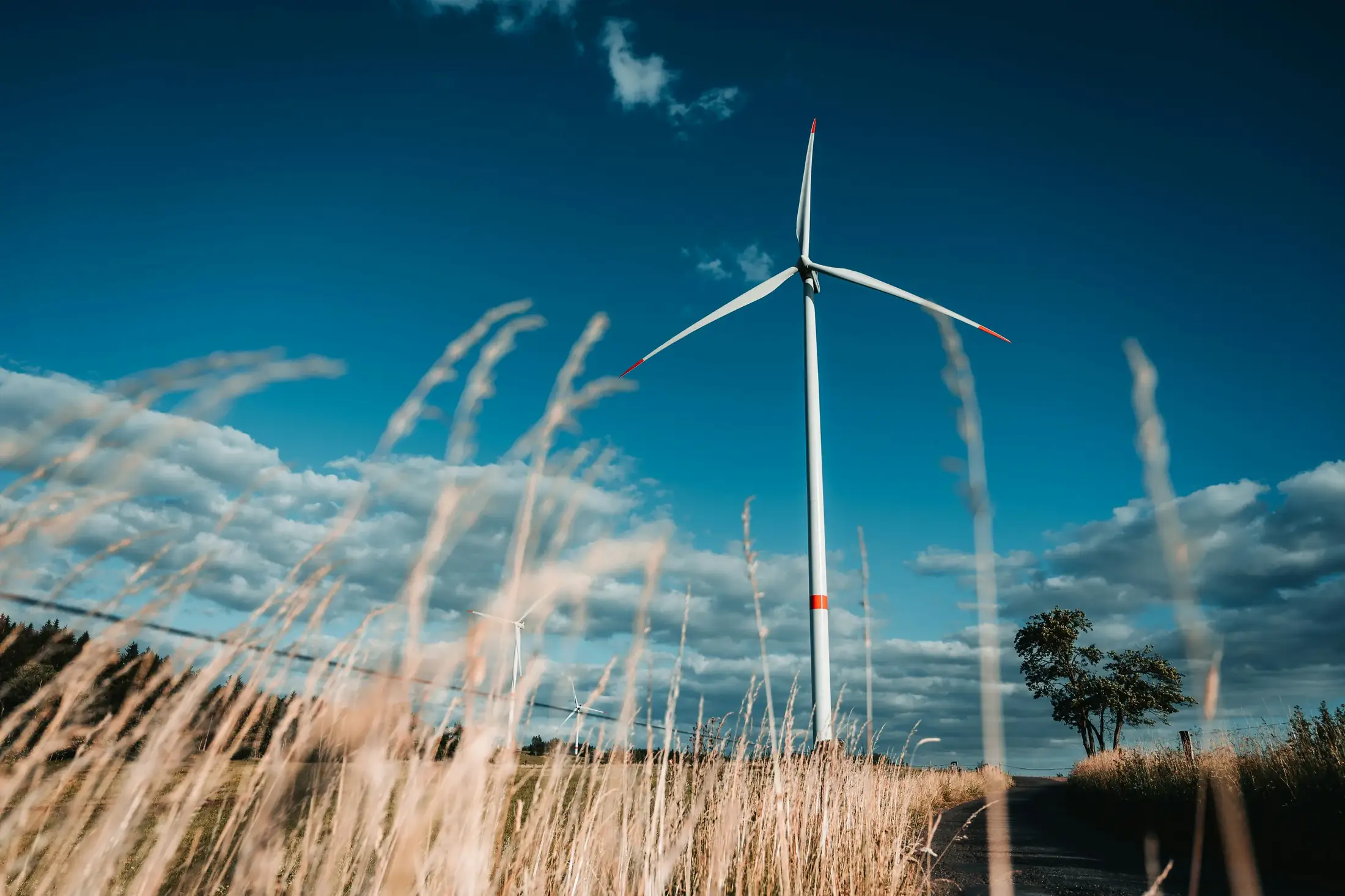
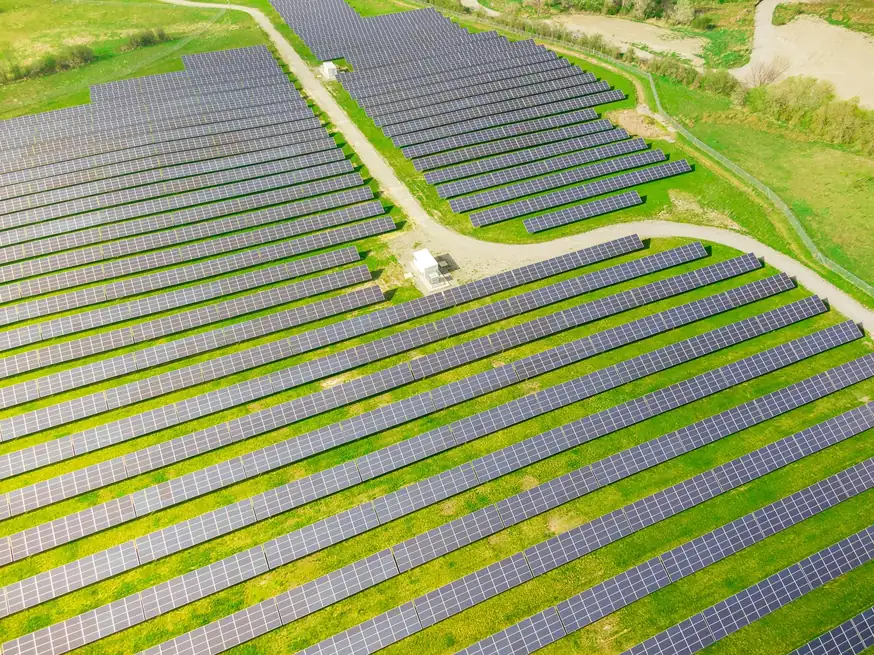
From a single rooftop array to a gigawatt portfolio, Zephyra fits the asset it watches and proves what it delivers.
Assets under measurement
1,300+
Countries in the field
26
Generation verified
4.2 TWh
We are on a mission to make every megawatt-hour of clean energy provable — for the operators who run the assets, the lenders who finance them and the communities that host them.
Every asset, one ledger
Emissions cuts, proven
Live data, any time
Verified output
4.2 TWh
Verified generation, committed to the ledger.
Reliability
99.7%
Sensor uptime across every monitored asset.
Flexible deployment
1,300+
Assets measured continuously, rooftop to gigawatt.
Lender-accepted evidence
Instrument-grade measurement
Settlement on measured energy
Certified partners on four continents
Twenty-year field hardware
Instrument-grade measurement
Lender-accepted evidence
Twenty-year field hardware
Settlement on measured energy
Certified partners on four continents
Our solutions
Four Ways We Prove the Output


Testimonials
What operators say after the first audit




Trusted by operators, lenders and auditors across 26 countries.
2,400+
Norvind Energi
“The measurement stack wasn’t just a dashboard — it was a scientifically grounded system built for our asset class. We could always trace exactly how a megawatt-hour was accounted for.”

Ingrid Halvorsen
COO · Finnmark, Norway
Helia Solar
“Our lenders stopped asking for extra assurance the moment we handed them Zephyra’s ledger. Instrument-level evidence changed the whole financing conversation for our next build-out.”

Mateo Ferrán
Head of Asset Performance · Andalusia, Spain
Questions
The things people ask us first
If yours is not here, talk to us. You will get a person who knows the answer, not a form.


Which assets can Zephyra measure?
Wind, solar, storage and hybrid sites, from a single rooftop array to a gigawatt portfolio. Each asset gets an instrument plan matched to its class before anything is installed.
How is a reading verified?
Every measurement is time-stamped at the instrument, reconciled against irradiance or wind data, and committed to an append-only ledger. Nothing is modelled after the fact.
How quickly can a site go live?
Most sites are measuring within four to six weeks of the survey. Existing SCADA and inverter telemetry can be connected in days.
Who can access the data?
You decide. Operators, offtakers, lenders and auditors each get scoped access to the same ledger, so everyone reads from one set of numbers.
What happens if a sensor fails?
Uptime is monitored hour by hour. A failing instrument is flagged within the hour, gaps are marked rather than filled, and a replacement is scheduled from the nearest partner.