Research & Insights
Certificates of origin are only as good as their instruments
A short field note on why measurement provenance — not paperwork — is what makes a green certificate…
A certificate of origin is a claim about the past: this much energy, from this asset, at this time. Everything that makes the claim believable happened long before the PDF was generated, on a mast, a roof or a nacelle.
Paper does not measure anything
Most certificate schemes are rigorous about custody and careless about provenance. They can tell you who held a certificate on any given day. They cannot tell you which instrument produced the underlying figure, when it was last calibrated, or how far its readings drifted between calibrations.
We have seen registries accept a monthly total that was assembled from a SCADA export, a spreadsheet correction and a manual adjustment for a meter fault. None of that is fraud. All of it is unverifiable.

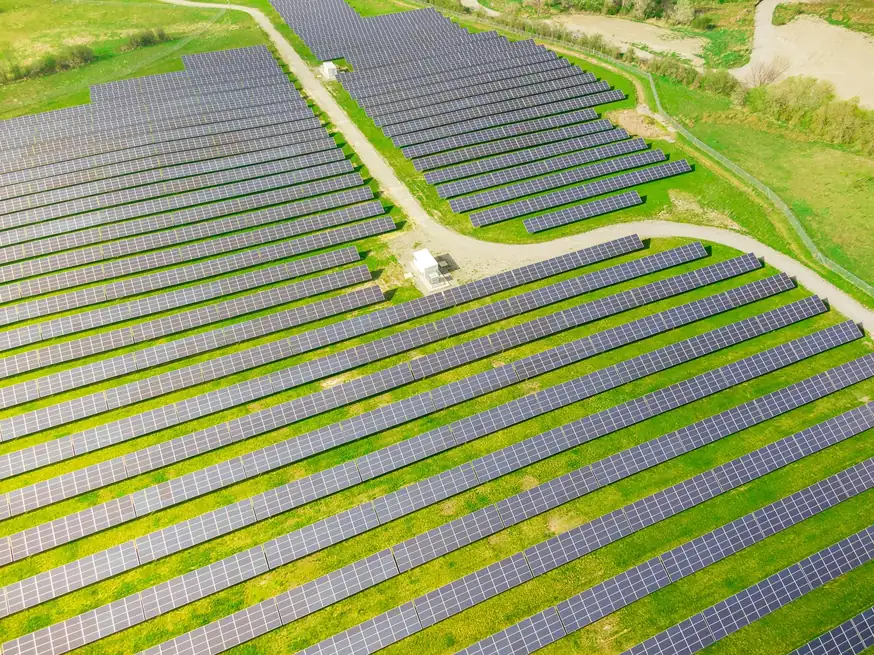
Every string on this array carries a sensor identifier and a calibration date into its certificate.
Four questions to ask of any certificate
You do not need to be an engineer to test provenance. The questions are simple, and a scheme that cannot answer them is asking you to take the number on trust.
- Which instrument produced this figure?
- When was it last calibrated, and by whom?
- What is the stated uncertainty of the reading?
- How was it reconciled against the export meter?
What provenance looks like
A useful certificate carries its instruments with it: sensor identifiers, calibration dates, the uncertainty of each reading and the method used to combine them. Our certificates have carried that record since the first one we issued, and it is the part auditors read first.
The registries are catching up. Until they do, ask the simple question of any certificate you are offered: which instrument is this number from?
Keep reading
More from the Desk.