Research & Insights
Hourly settlement is coming to PPAs. Is your data ready?
Monthly averages will not survive hourly matching. What buyers will ask for in 2027, and how to start capturing it now.

Most power purchase agreements still settle on monthly totals. Within two years, the buyers who matter will want to match their consumption to generation hour by hour, and the data behind most contracts is not ready for it.
What hourly matching demands
Monthly settlement can survive a surprising amount of estimation. Hourly settlement cannot. A modelled generation profile that lands within 3% over a month can be wrong by 40% in any single hour, and once buyers are paying for time-matched energy, those hours are where the money moves.
The registries and corporate buyers piloting 24/7 matching are converging on the same requirements: an hourly generation series per asset, a documented measurement source for each hour, and a way to reconcile the series against the export meter.
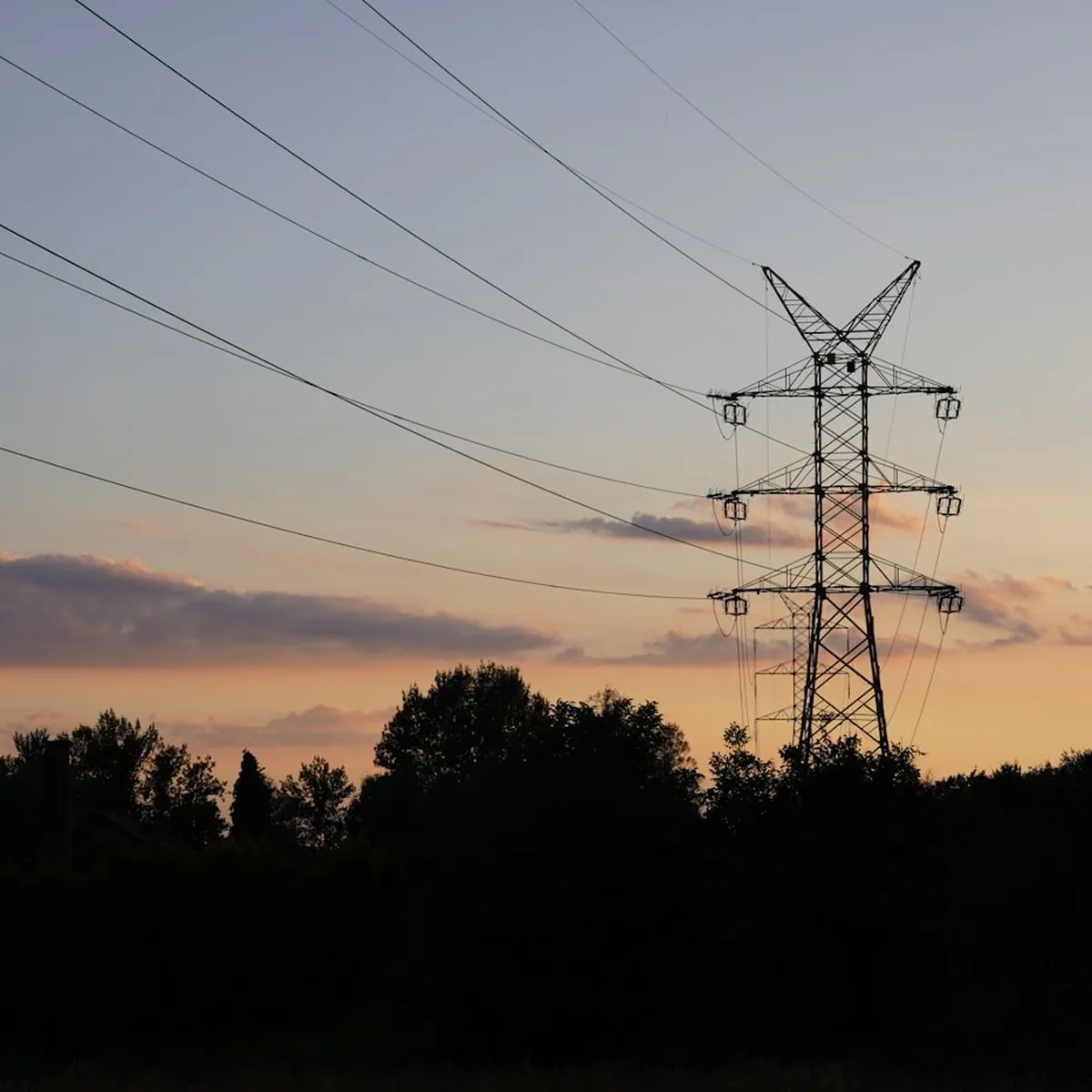
Hourly matching moves the money to exactly the hours a monthly model gets wrong.
The hourly settlement checklist
Every tender we have seen so far asks for the same four things. Operators who can supply them from measured data, rather than a model, are the ones whose bids survive due diligence.
- One generation series per asset at hourly or finer resolution
- A named measurement source for every hour
- A calibration record that travels with the data
- Reconciliation against the export meter, with the residual stated
How to start capturing it now
You do not need a new contract to begin. Instrument the resource at the asset today, log at 10-minute resolution, and keep the calibration record with the data. When the first hourly-matched tender arrives, you will be bidding with a two-year history that your competitors will be modelling.
We publish a checklist of the fields an hourly settlement file needs; ask your account lead for the current version.
Keep reading
More from the Desk.